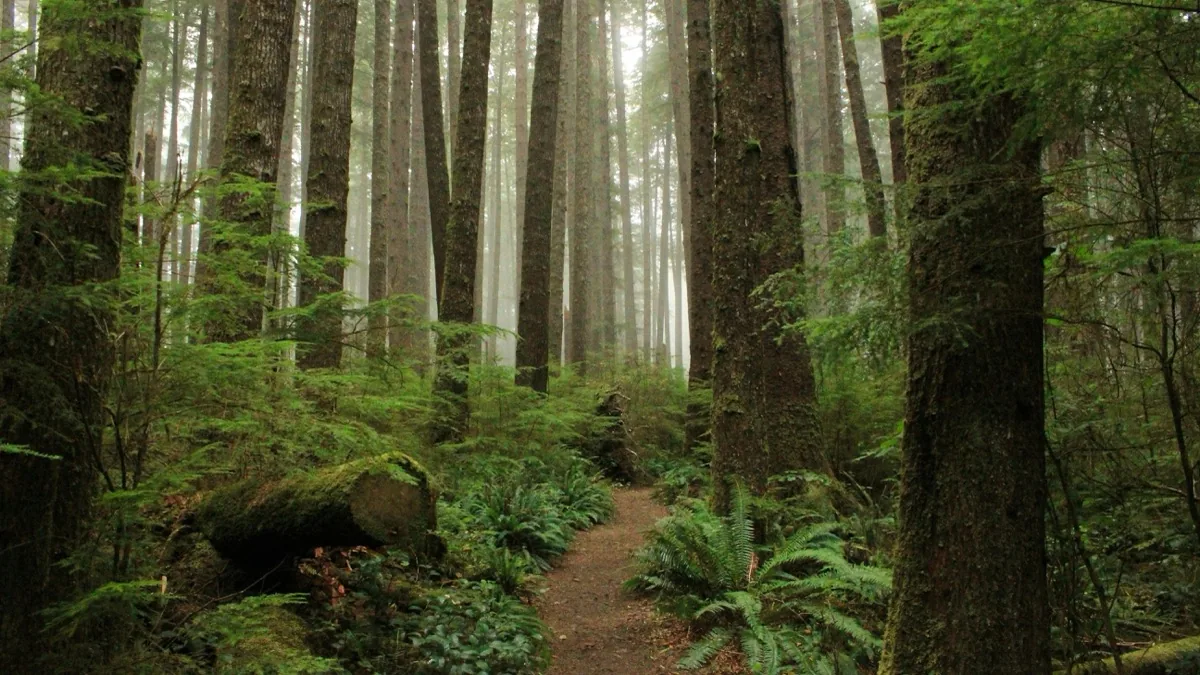
Why Seattle Is Different
Seattle doesn't get dramatic rainstorms like other regions—it gets constant drizzle. The city averages 37 inches of rain annually (less than many Eastern cities), but spreads it across 150+ days. This means homes experience continuous moisture exposure rather than periodic heavy events.
Everything is always damp. Surfaces never fully dry during winter months. This constant wetness creates conditions for rot, mold, and deterioration that aggressive rainstorms can't match.
The Drip, Drip, Drip Effect
A Phoenix house might experience heavy monsoon rain for an hour, then bake dry in the sun. A Seattle house might have light rain for eight hours, followed by overcast skies that prevent drying. That continuous moisture works into every crack and gap, finding paths that dramatic storms might miss.
Humidity Compounds the Problem
Seattle's maritime climate maintains high humidity even between rain events. Derek's crawlspace stayed damp not just from groundwater but from air moisture condensing on cool surfaces. Managing humidity requires active ventilation—passive approaches that work elsewhere fail in Seattle.
Crawlspace: Ground Zero for Seattle Moisture
Crawlspaces appear in roughly 60% of Seattle home inspections, and moisture problems appear in the majority of them. This is Seattle's signature inspection finding.
What Goes Wrong
Derek's crawlspace had the classic Seattle problems: inadequate vapor barrier (just 4-mil plastic laid loosely on the ground), passive foundation vents that let humid air in rather than out, and no drainage system to handle groundwater. During wet months, relative humidity exceeded 80%, creating conditions for wood decay and mold growth.
The Damage Pattern
High moisture causes floor joists and subfloor to absorb water, softening wood and enabling fungal growth. Derek's damaged joists required sistering (reinforcing with additional lumber)—a $6,000 repair. The mold that had developed required professional remediation at $8,000. Then proper encapsulation cost another $10,000.
What Proper Crawlspaces Look Like
Effective Seattle crawlspaces typically feature: heavy-duty vapor barrier (12-20 mil) sealed to foundation walls, closed foundation vents, mechanical dehumidification or powered ventilation, and proper drainage if groundwater is present. This configuration—often called encapsulation—costs $8,000-15,000 but prevents far more expensive damage.
Other Moisture-Vulnerable Areas
While crawlspaces get the most attention, Seattle's moisture affects the entire building envelope.
Roof and Gutters
Seattle roofs face constant water contact. Composition shingles that last 25 years elsewhere may last 18-22 years here. Moss growth is nearly universal and should be treated annually to prevent shingle damage. Gutters and downspouts must handle constant flow—clogged systems cause water to overflow and damage siding and foundations.
Siding and Trim
Exterior paint fails faster in Seattle's moisture. Wood siding requires more frequent maintenance than in dry climates. Trim at window and door edges is particularly vulnerable—water runs down surfaces and collects at horizontal elements. Inspectors check carefully for rot at these locations.
Windows and Flashing
Window flashing defects that might be minor elsewhere are serious in Seattle. Every gap is a potential entry point for constant moisture. Modern window installations include multiple flashing layers; older installations may have insufficient protection.
Basement and Foundation Walls
For homes with basements, hydrostatic pressure from saturated soil can force water through foundation walls. Evidence of efflorescence (white mineral deposits), staining, or previous waterproofing attempts indicates ongoing water management needs.
What Inspectors Evaluate
Experienced Seattle inspectors approach moisture systematically.
Visual Evidence
Staining, rot, mold, efflorescence, peeling paint, and previous repair attempts all tell moisture history. Even when current conditions appear dry (inspections often occur in Seattle's dry summer months), evidence of past moisture indicates what happens during the wet season.
Moisture Meters
Many Seattle inspectors carry moisture meters to measure wood moisture content. Readings above 19-20% indicate elevated moisture likely to cause problems. This objective measurement supplements visual inspection.
Crawlspace Evaluation
Thorough crawlspace evaluation includes: vapor barrier condition and coverage, ventilation type and effectiveness, drainage provision, joist and subfloor condition, and evidence of mold or pest activity. This evaluation often determines whether significant repairs will be needed.
Derek's Advice for Seattle Buyers
After his expensive education, Derek tells every Seattle buyer:
- Take crawlspace findings seriously. What seems like a minor concern can become major damage.
- Budget for moisture management. If the inspection shows problems, assume repairs cost $10,000-15,000 minimum for proper solutions.
- Understand Seattle's climate means constant vigilance. Moisture management isn't a one-time fix—it's ongoing maintenance.
- Summer inspections may miss winter problems. Ask about seasonal patterns even if inspecting in dry months.
Seattle's beauty comes with water. The lush greenery, the mild temperatures, the dramatic clouds—all require rain. Homes that manage that rain properly last generations. Homes that don't, like Derek's originally did, deteriorate faster than owners expect.