After the Home Inspection in Atlanta - Next Steps Guide
What to do after your Atlanta home inspection. From reviewing the report to negotiating repairs, a step-by-step guide for Georgia home buyers.
Atlanta home inspection guide: what to expect in metro Atlanta, common issues from humidity and termites, local requirements, and costs in Fulton County.
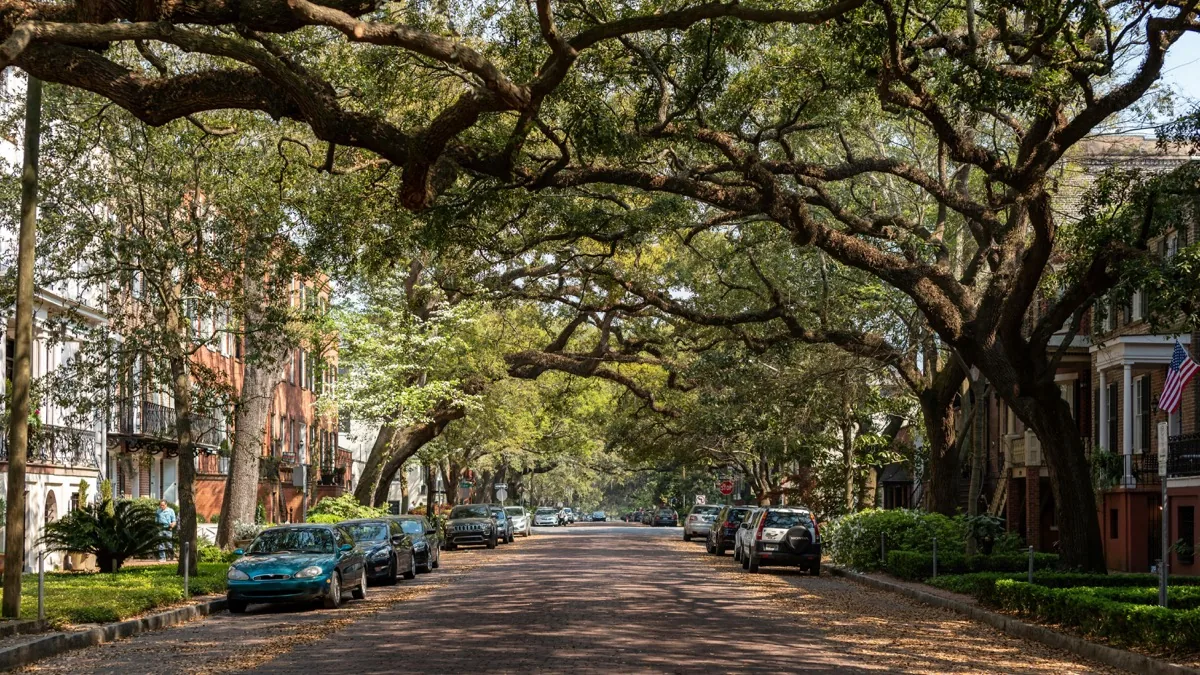
Atlanta sits at the heart of Georgia's largest metro area, spanning from historic intown neighborhoods like Virginia-Highland and Grant Park to sprawling suburbs in Cobb, Gwinnett, and DeKalb counties. The city's housing stock is as diverse as its neighborhoods, ranging from 1920s bungalows in Candler Park to new construction in the northern suburbs.
The Atlanta climate is challenging for homes. Average annual rainfall exceeds 47 inches, and humidity stays high throughout the long summer. This creates ideal conditions for termites, mold growth, and wood deterioration. Crawlspaces in Atlanta homes often show signs of moisture issues if not properly maintained.
Termites are a fact of life in Atlanta. Wood-destroying organism inspections are standard in real estate transactions, and most Atlanta homes have either current termite treatment or evidence of past activity. The question isn't whether termites exist in the area but whether the specific home has been properly protected.
Atlanta's intown neighborhoods have older homes with character but also era-specific concerns: aging electrical systems, original plumbing, and foundations that have settled over decades. Suburban homes from the 1980s-2000s building booms have their own patterns of aging systems and builder-grade materials reaching end of life.
Whether you're buying a craftsman bungalow in East Atlanta or a newer home in Alpharetta, understanding Atlanta's specific inspection concerns helps you evaluate findings and negotiate appropriately.
Key Neighborhoods: Buckhead, Midtown, Virginia-Highland, Decatur, East Atlanta, Grant Park
Local Requirements: Fulton County building codes, termite letters required for most transactions
What to do after your Atlanta home inspection. From reviewing the report to negotiating repairs, a step-by-step guide for Georgia home buyers.
Our Buckhead home inspection revealed expensive surprises in this luxury Atlanta neighborhood. Real costs and what to watch for in high-end GA homes.
Common Atlanta home inspection findings organized by construction era. From 1920s bungalows to 2020s new construction, know what issues are typical.
Answers to frequently asked questions about home inspections in Atlanta. Costs, timing, requirements, and what to expect in Georgia home purchases.
Atlanta's humidity creates unique inspection concerns. Understanding moisture damage, crawlspace issues, and HVAC implications in Georgia homes.
Georgia home inspection licensing, disclosure requirements, and what Atlanta buyers should know about inspector qualifications and report standards.
Step-by-step guide for Atlanta home buyers preparing for inspection day. What to do before, during, and immediately after your Georgia home inspection.
Termite damage nearly derailed our Atlanta home purchase. What Georgia's termite inspection requirements mean and how to protect yourself.
Inspecting a Virginia-Highland bungalow revealed classic Atlanta home challenges. What to expect when buying in this historic Atlanta neighborhood.
How Atlanta home inspection findings differ from national averages. Regional comparison of common issues, costs, and what makes Georgia homes unique.