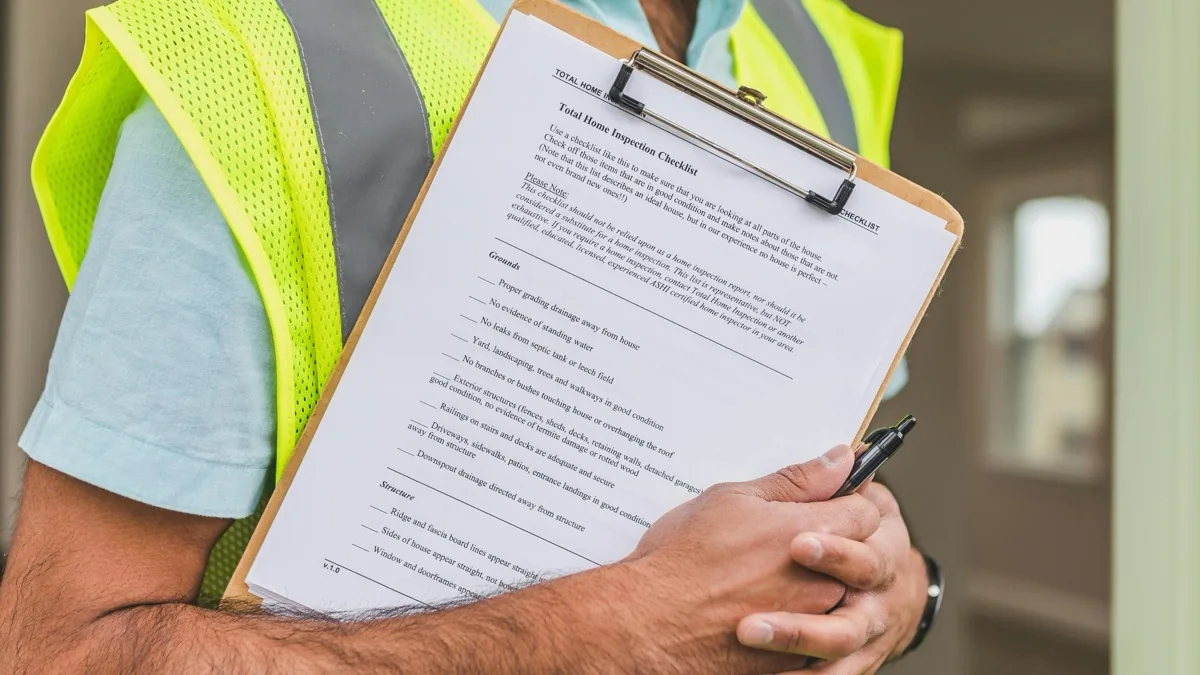
Report Structure Overview
Standard inspection reports typically include these major sections in roughly this order:
- Summary / Executive Overview
- Exterior (Grounds, Drainage, Walks)
- Roofing
- Structure (Foundation, Framing)
- Electrical
- Plumbing
- HVAC (Heating, Cooling, Ventilation)
- Interior (Rooms, Floors, Walls, Ceilings)
- Attic
- Garage
- Kitchen
- Bathrooms
- Basement / Crawlspace
- Insulation and Ventilation
- Built-in Appliances
Not every home has every section. A slab foundation home won't have a crawlspace section. A condo might skip the roofing section. Reports adapt to the property.
Summary Section
The summary section appears first and lists the most significant findings from the entire report. This is your starting point for understanding the property's condition.
Summaries typically organize findings by severity: safety concerns, major defects, items requiring further evaluation, and repair recommendations. Items not listed on the summary are generally routine observations or satisfactory components.
According to the American Society of Home Inspectors (ASHI), summary sections should include "a list of items which, in the inspector's opinion, are significant defects." Everything else is supporting detail.
Exterior Section
The exterior section covers everything outside the home's walls: siding, trim, windows, doors, decks, porches, walkways, driveways, and drainage.
What Inspectors Look For
Siding condition and damage. Window and door operation. Deck structure and railings. Concrete condition. Grading and drainage around the foundation.
Drainage is particularly important. Water flowing toward the house causes basement moisture and foundation problems. Inspectors note grading issues, downspout discharge locations, and signs of standing water.
Common Findings
Typical exterior findings include: wood rot at trim boards, caulking failures around windows, deck boards needing replacement, grading that slopes toward the foundation, and walkway cracks.
Most exterior findings are maintenance items rather than major defects. Exceptions include significant structural issues with decks, extensive water damage, or drainage problems affecting the foundation.
Roofing Section
The roofing section evaluates roof covering, flashing, gutters, downspouts, and visible roof structures like chimneys and skylights.
What Inspectors Look For
Shingle condition, age, and remaining life. Flashing integrity at walls, chimneys, and valleys. Gutter condition and proper drainage. Signs of leaks, past repairs, or improper installation.
Inspectors may walk on roofs when safe and accessible, or evaluate from the ground or ladder depending on conditions. Steep pitches, wet surfaces, or fragile materials may limit roof access.
Common Findings
Roofing sections often note: shingle wear and estimated remaining life, flashing issues at penetrations, gutter damage or improper slope, and missing or damaged roof vents.
Roof findings frequently include "further evaluation by a roofing contractor recommended" when the inspector sees significant wear or damage. This isn't a cop-out; it's acknowledgment that roofers can provide more precise assessments and repair estimates.
Structure Section
The structure section covers the home's skeleton: foundation, framing, beams, columns, and load-bearing components. This section often generates the most buyer concern.
What Inspectors Look For
Foundation cracks and movement. Framing condition and modifications. Floor levelness and bounce. Evidence of settling, shifting, or structural distress.
Inspectors look for patterns: cracks that follow stress lines, doors that don't close properly, floors that slope noticeably. Individual cracks mean less than patterns of movement.
Common Findings
Hairline foundation cracks appear in nearly every concrete foundation. These are usually from curing shrinkage and are cosmetic, not structural.
More significant findings include: stair-step cracks in masonry, horizontal cracks in basement walls, notched or cut joists, improper support modifications, and evidence of past water intrusion at the foundation.
"Monitor" ratings appear frequently in structure sections. Many cracks are stable and need only periodic observation, not immediate repair.
Electrical Section
The electrical section covers the service entrance, main panel, wiring, outlets, switches, and safety devices like smoke detectors and GFCI outlets.
What Inspectors Look For
Panel condition, capacity, and installation. Wire types and connections. Outlet grounding and polarity. GFCI protection in wet areas. Smoke and carbon monoxide detector presence and function.
Inspectors open the electrical panel to examine connections and breakers. This is where many safety issues are identified: double-tapped breakers, improper wire sizing, and evidence of DIY work.
Common Findings
Older homes often have findings related to age: two-prong ungrounded outlets, fuse boxes instead of breakers, knob-and-tube wiring in attics. These aren't emergencies but are worth understanding.
Safety findings include: missing GFCI outlets in kitchens, baths, and garages; double-tapped breakers; exposed junction boxes; missing cover plates; and inoperative smoke detectors.
The electrical section frequently contains safety concern ratings that require correction.
Plumbing Section
The plumbing section covers water supply, distribution, drain/waste/vent systems, water heater, and fixtures. Inspectors test flow and function but don't evaluate water quality.
What Inspectors Look For
Pipe materials and visible condition. Water pressure and flow. Drain function and signs of leaks. Water heater age, condition, and safety features. Fixture operation and mounting.
Inspectors run multiple fixtures simultaneously to test pressure. They look under sinks for active leaks. They check water heater relief valves and venting.
Common Findings
Water heater age and condition dominate many plumbing sections. Units over 10-12 years old typically get noted with budget recommendations.
Other common findings: slow drains, toilet tank components needing adjustment, missing washing machine drain pans, and galvanized supply pipes in older homes.
Supply lines concealed in walls can't be fully evaluated. Inspectors note what they can see and test.
HVAC Section
The HVAC section covers heating and cooling equipment, distribution systems, thermostats, and ventilation. Inspectors test operation but can't assess efficiency or internal component condition.
What Inspectors Look For
Equipment age, operation, and visible condition. Thermostat function. Ductwork visible condition and connections. Combustion venting and clearances. Filter condition and access.
Weather affects HVAC testing. Heat pumps and AC units shouldn't run in freezing temperatures. Furnaces shouldn't run in extreme heat. Inspectors note when seasonal conditions limit testing.
Common Findings
Age is the most common HVAC finding. Equipment typically lasts 15-20 years. Units approaching or exceeding this become budget items.
Other findings include: dirty filters, disconnected ductwork in attics or crawlspaces, improper combustion venting, missing return air pathways, and condensate drain issues.
Interior Sections
Interior sections cover walls, ceilings, floors, doors, windows, and general room conditions. These sections are often the longest because there's simply more to document.
Most interior findings are minor: doors that stick, windows that don't lock, cosmetic damage to walls. Major findings are less common but include evidence of water damage, structural movement showing in cracks, and safety hazards like missing stair railings.
Kitchen and bathroom sections often appear separately due to their additional components: appliances, counters, cabinets, and specialized plumbing and electrical requirements.
Attic and Crawlspace Sections
These sections cover accessible below-roof and below-floor spaces. Insulation, ventilation, structural framing, and any visible utilities get documented.
Access limitations are common. Pull-down stairs, scuttle holes, or low clearances may restrict inspection. Reports note when areas are inaccessible or only partially accessible.
Findings often include: inadequate insulation, improper ventilation, evidence of past water intrusion, pest damage, and storage items blocking inspection access.
Navigating Your Report
Use the table of contents or bookmarks in digital reports to jump to sections relevant to your concerns. If you're worried about the foundation, go straight to the structure section.
Cross-reference related findings. A roof leak noted in the roofing section might connect to ceiling stains noted in the interior section. Drainage issues in exterior might relate to moisture findings in the basement section.
Start with the summary, then dive into detailed sections for items that concern you. You don't need to read every section with equal attention. Focus where it matters.